



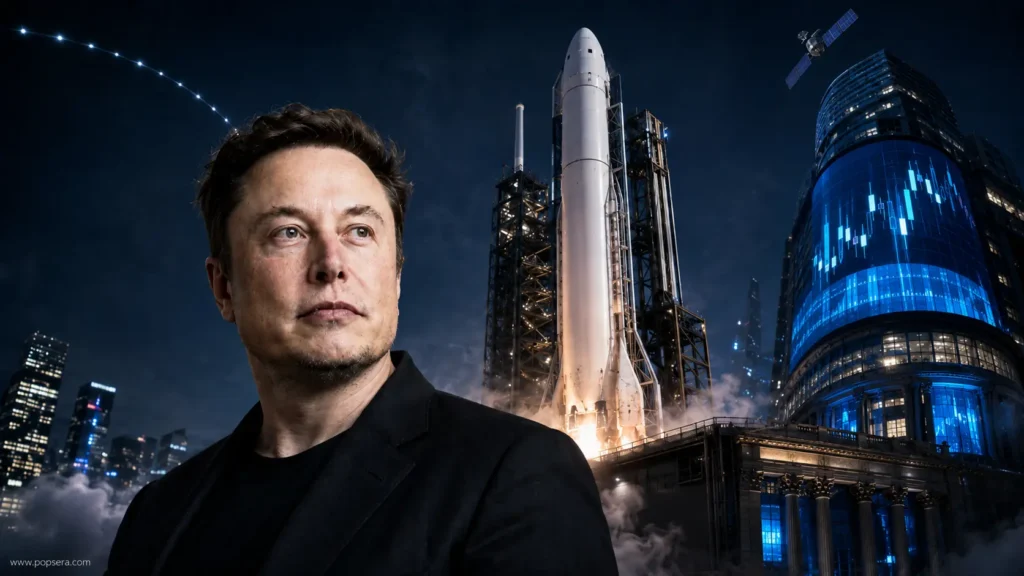

SpaceX’s long rumored IPO finally has hard numbers attached to it.
The company’s latest IPO materials list an expected June 11 pricing date, a planned Nasdaq and Nasdaq Texas listing under the ticker SPCX, and an expected first trading day of June 12. The headline number is just as big: an indicative price of $135 per share, with SpaceX offering 555,555,555 Class A shares in a deal designed to raise about $75 billion before any overallotment option.
That would make the SpaceX IPO one of the most watched market debuts in years not just because Elon Musk is involved, but because public investors would be buying into a company that now stretches across rockets, Starlink satellite internet, defense work, and AI infrastructure.
The key SpaceX IPO details
According to SpaceX’s IPO materials filed with the SEC, the company is planning a 100% primary offering, meaning the shares being sold are new shares issued by SpaceX rather than a sale by existing holders. The company says proceeds are expected to fund growth, including AI compute infrastructure, launch systems, launch vehicles, and satellite constellation expansion.
- Expected ticker: SPCX
- Expected exchanges: Nasdaq and Nasdaq Texas
- Expected pricing date: June 11, 2026
- Expected first trading date: June 12, 2026
- Indicative price: $135 per share
- Base offering size: 555,555,555 shares
- Estimated gross proceeds: about $75 billion before any overallotment
The final IPO price is still expected to be set after investor demand is assessed, so $135 should be treated as the current indicative figure, not a guarantee. SpaceX’s materials say the final price may be above, below, or equal to that level.
Why the valuation is getting so much attention
At the indicative price, SpaceX says its market capitalization would be roughly $1.765 trillion if underwriters do not exercise the overallotment option, and about $1.776 trillion if they do. That puts the company in rare air before it even starts trading.
Reuters reported that SpaceX is targeting a $1.75 trillion valuation and that the deal could become the largest IPO ever if it goes through near the current terms. The scale explains why the keyword “SpaceX IPO” is moving so quickly: this is not a normal tech listing, and it is not simply a Starlink spinoff.
This is not just a Starlink IPO
For years, investors searched for a “Starlink IPO” because the satellite internet business looked like the clearest public-market story inside SpaceX. The current deal is broader.
SpaceX’s own roadshow materials say Starlink had about 10.3 million subscribers as of March 31, 2026, with service across 164 countries, territories, and other markets. The same materials show SpaceX revenue rising from $10.4 billion in 2023 to $18.7 billion in 2025.
That gives the IPO a cleaner growth story than “rockets are expensive.” Starlink turns part of SpaceX into a recurring connectivity business, while the launch business gives it infrastructure few competitors can match.
The newer wrinkle is AI. SpaceX’s IPO documents and recent reporting frame AI compute infrastructure as a major part of the company’s future plan. That may excite investors looking for the next massive AI infrastructure play, but it also makes the valuation harder to judge. Public buyers are being asked to price both today’s SpaceX and a future version of the company that is still being built.
Can retail investors buy SpaceX IPO shares?
SpaceX says retail investors can request shares through participating brokerage platforms, though submitting interest does not mean an investor will receive an allocation. The company’s IPO FAQ says a brokerage account or investing app is required, and allocations are expected to be confirmed on the first day of trading.
For many investors, the more realistic access point may be after SPCX begins trading on Nasdaq. That also carries a different risk: major IPOs can swing sharply in their first sessions, especially when demand is driven by brand power and scarcity.
The biggest catch is control
The IPO may open SpaceX to public investors, but it does not mean public investors will have much say.
SpaceX’s filing materials show Elon Musk would retain roughly 84.4% of combined voting power after the offering if the overallotment option is not exercised. The company’s Australian prospectus also tells investors they would be minority holders with no practical control over SpaceX’s board, business, or affairs.
That is the tradeoff at the center of the IPO. Investors may get access to one of the most important private companies in the world, but they are also buying into a founder-controlled structure where ordinary Class A shareholders have limited influence.
What investors should watch before June 12
The most important update is the final price on June 11. If demand is intense, the deal may still price at or around the indicative level. If market conditions change, the final number could move.
Investors should also watch the final prospectus, allocation details, overallotment decision, and any fresh disclosure around voting control, lockups, profitability, and AI spending. SpaceX’s materials say the company does not anticipate paying cash dividends in the foreseeable future, which means returns would depend mainly on share-price appreciation.
That does not make the SpaceX IPO weak. It makes it high stakes.
For readers searching the simple version: SpaceX is expected to trade as SPCX on June 12, 2026, after a planned June 11 pricing. The current indicative price is $135 per share. The real question is whether public investors believe SpaceX can grow into one of the most aggressive valuations Wall Street has ever seen.



[…] SpaceX IPO: Date, Price, Ticker and What Investors Should Know […]