



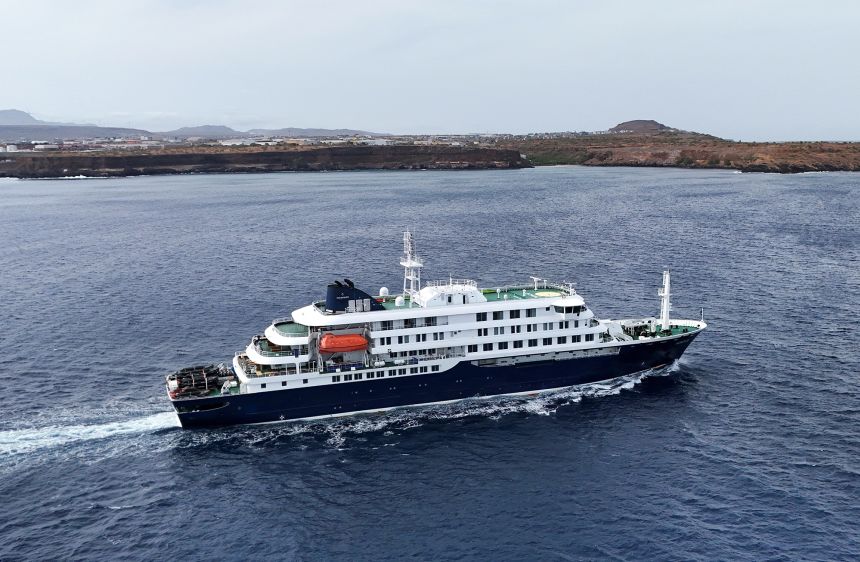

A rare hantavirus outbreak on the MV Hondius became a global headline in May 2026, turning a cruise ship health scare into an urgent news story.
International attention followed as several passengers became seriously ill and multiple deaths were confirmed. Health agencies say the overall public risk remains low, but this outbreak stood out because the virus involved is likely the Andes strain—one of the few hantaviruses that can spread between people.
Summary of events on the MV Hondius
A World Health Organization (WHO) notice said the Dutch-flagged expedition ship reported a sudden cluster of severe respiratory illnesses after traveling near South America.
As of early May:
- Multiple suspected and confirmed cases were identified.
- At least three deaths were reported.
- International contact tracing was launched.
- Several passengers required urgent medical treatment.
As passengers prepared to disembark in Tenerife, authorities from the CDC, WHO, and the European Center for Disease Prevention and Control began monitoring the situation together. Cruise ships are often at the center of health stories because they bring together people from many countries. That is part of why this outbreak became global news so quickly.
“WHO currently assesses the global public health risk as low, but investigations are ongoing. Statement from the World Health Organization shared through official public health channels.”
Overview of hantavirus
Hantavirus refers to a group of viruses that usually spread through contact with infected rodents or their droppings, urine, or saliva.
In severe cases, hantavirus infection can cause hantavirus pulmonary syndrome (HPS), a dangerous lung illness that can get worse quickly.
Common symptoms include:
- Fever
- Fatigue
- Muscle aches
- Headaches
- Shortness of breath
- Chest tightness
Most hantavirus infections do not spread from person to person. This unusual feature is one reason why experts around the world paid close attention to this outbreak. The Andes strain.
The virus involved in this outbreak is thought to be the Andes strain, which is mostly found in Argentina and Chile.
Research published by the CDC’s Emerging Infectious Diseases journal has previously documented evidence of limited human-to-human transmission involving the Andes virus.
This makes the Andes strain different from other hantaviruses.
A separate explains that close-contact exposure appears to play a role in the rare cases where human-to-human spread occurs.
At the same time, some researchers argue that the evidence remains debated. A systematic review published in the NIH database noted that rodent exposure may still explain some reported transmission clusters.
Because scientists are still unsure about some details, the outbreak needs to be watched closely.
Factors contributing to widespread online attention
The combination of:
- A deadly virus
- International cruise travel
- Quarantine procedures
- Rare human-transmission concerns
- Emergency health monitoring
Collectively, these factors contributed to ‘hantavirus’ trending across major platforms such as Google and X.
Major outlets including The Wall Street Journal, and Reuters all published rapid updates as new details emerged.
Meanwhile, public health experts and science communicators on X shared information to explain the situation and help ease public concerns.
Influential X posts shaping public discourse
WHO outbreak update
A widely shared update linked to the WHO summarized the cruise ship cluster and stressed that the overall public risk currently appears low.
CDC-related monitoring discussion
Public health reporters and CDC-watch accounts discussed the agency’s plans to monitor passengers returning from the ship.
Expert commentary on the Andes virus
Several virologists and epidemiologists pointed out that the Andes virus is unusual because it has a documented history of limited human-to-human transmission.
Right now, health agencies are not telling the public to avoid travel because of hantavirus.
The latest ECDC assessment says the outbreak appears limited and connected to a specific exposure chain involving passengers onboard the ship.
Experts continue to stress that hantavirus infections remain rare.
This outbreak is a reminder of how fast unusual health events can turn into urgent global news, especially with international travel and social media. Authorities are tracing contacts, monitoring exposed passengers, and investigating how the virus spread on the cruise.
What is the hantavirus outbreak in May 2026?
The outbreak is linked to the expedition cruise ship MV Hondius, where multiple passengers developed infections tied to the Andes strain of hantavirus.
How many people have died?
As of May 10, 2026, three deaths have been reported in connection with the outbreak.
Can hantavirus spread between people?
Most hantaviruses do not spread person-to-person. However, the Andes strain involved in this outbreak has shown limited human transmission in past cases.
Is there a vaccine for hantavirus?
There is currently no widely available vaccine for hantavirus.