



The 2026 World Cup is no longer a far-off calendar item. The tournament opens on June 11 in Mexico City, with Mexico facing South Africa at Estadio Azteca, and it ends on July 19 with the final at New York New Jersey Stadium.
That is the clean version. The bigger story is that this is not a normal World Cup with a few extra host cities. It is the first 48-team men’s World Cup, the first edition shared by three countries, and the largest version of the tournament FIFA has staged: 104 matches across the United States, Canada and Mexico.
The 2026 World Cup starts in Mexico and ends near New York
The opening match gives the tournament a neat historical hook. Mexico, one of the three co-hosts, begins the World Cup at Estadio Azteca, one of the sport’s most famous venues, against South Africa on Thursday, June 11.
FIFA’s official 2026 World Cup match schedule runs through Sunday, July 19, when the champion will be decided at New York New Jersey Stadium in East Rutherford, New Jersey. FIFA uses that tournament name for the venue, which is widely known as MetLife Stadium.
The timing also puts the men’s World Cup back in its traditional summer window after the 2022 tournament in Qatar was played in November and December.
The format is bigger, but not impossible to follow
The 2026 World Cup expands from 32 to 48 teams. Instead of eight groups of four, there are 12 groups of four.
The top two teams from each group advance automatically. They are joined by the eight best third-place teams, creating a new round of 32 before the familiar round of 16, quarterfinals, semifinals and final.
That change matters for two reasons. More countries get a realistic shot at the knockout stage, and the eventual champion will need to play eight matches instead of seven. FIFA’s official tournament guide confirms the 48-team format and the expanded route through the bracket.
The 16 host cities stretch across three countries
The tournament is spread across 16 host cities, with the United States taking the largest share of matches. Canada has Toronto and Vancouver. Mexico has Guadalajara, Mexico City and Monterrey. The U.S. host cities are Atlanta, Boston, Dallas, Houston, Kansas City, Los Angeles, Miami, New York/New Jersey, Philadelphia, San Francisco Bay Area and Seattle.
That geography is part of the spectacle and part of the challenge. Teams and fans will be dealing with different climates, time zones, stadium setups and travel distances. It also means the World Cup will feel different depending on where viewers enter the story: a Mexico City opener, a Toronto host-nation night, a U.S. group-stage spotlight in Los Angeles, or the final weekend in New Jersey.
The groups are set, and the hosts have clear storylines
FIFA’s final draw results put the three host nations in groups that should pull heavy search interest from casual fans.
- Group A: Mexico, South Africa, South Korea, Czechia
- Group B: Canada, Bosnia and Herzegovina, Qatar, Switzerland
- Group C: Brazil, Morocco, Haiti, Scotland
- Group D: United States, Paraguay, Australia, Türkiye
- Group E: Germany, Curaçao, Ivory Coast, Ecuador
- Group F: Netherlands, Sweden, Tunisia, Japan
- Group G: Belgium, Iran, New Zealand, Egypt
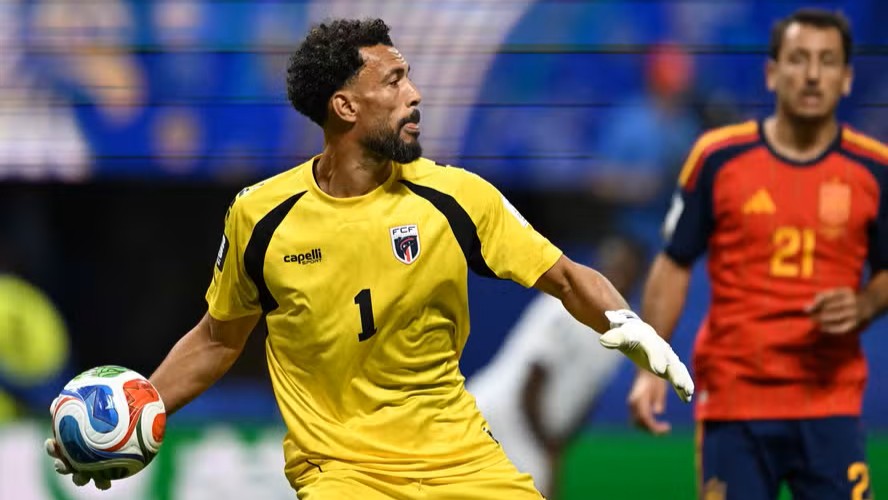
- Group H: Spain, Saudi Arabia, Uruguay, Cabo Verde
- Group I: France, Iraq, Norway, Senegal
- Group J: Argentina, Austria, Jordan, Algeria
- Group K: Portugal, Uzbekistan, Colombia, DR Congo
- Group L: England, Ghana, Panama, Croatia
For U.S. readers, the early attention is on Group D. The USMNT opens against Paraguay in Los Angeles, then faces Australia in Seattle before returning to Los Angeles for Türkiye. Canada starts in Group B, while Mexico carries the pressure and atmosphere of the tournament opener.
Tickets are still moving, but use FIFA’s official channels
Ticket demand has been one of the loudest parts of the build-up, and availability can change quickly by match and location. FIFA is directing fans through its official 2026 World Cup ticket page for general ticketing and hospitality information.
For fans attending matches in the U.S. or Canada, there is also a practical stadium detail to know before matchday. FIFA has said spectators at those venues may bring one factory-sealed soft plastic water bottle of up to 20 ounces, while hard-sided and reusable bottles are not allowed. That clarification came after concern about hydration at summer matches.
Where to watch the 2026 World Cup
In the United States, FOX says it will carry English-language coverage across FOX, FS1 and streaming through FOX One and FOXSports.com. Spanish-language coverage will be available through Telemundo’s platforms, with Peacock streaming all 104 matches live in Spanish.
In Canada, Bell Media’s coverage is centered on TSN, CTV and RDS. In Australia, SBS says all 104 matches will be available live and free across SBS, SBS VICELAND and SBS On Demand.
The easiest rule for viewers: check the official broadcaster in your country before the opening match, then build around the time zone. For Australia especially, the World Cup calendar runs into early-morning and morning kickoffs because the tournament is being played across North America.
The search interest is only going to get louder
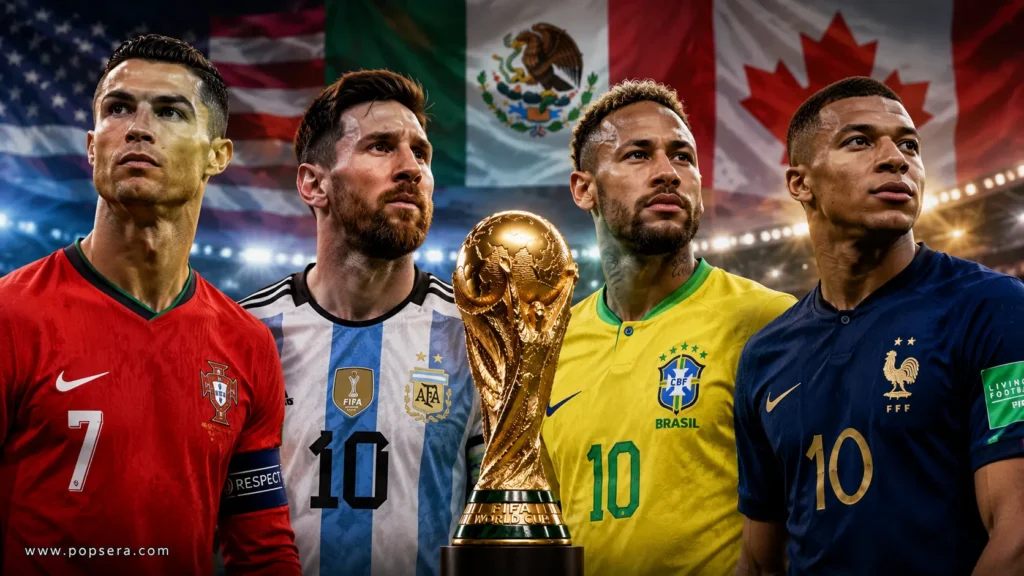
The 2026 World Cup has a little bit of everything search audiences care about: a new format, three host nations, famous venues, Lionel Messi’s Argentina entering as defending champion, a U.S. home tournament, and a final in the New York metro area.
But the first question is simple. The tournament starts June 11, Mexico vs. South Africa is the opener, and the next six weeks will move fast.